.svg)

What to Do If Your Child Accidentally Ingests Medicines or Vitamins
What to Do If Your Child Accidentally Ingests Medicines or Vitamins

What to Do If Your Child Accidentally Ingests Medicines or Vitamins
What to Do If Your Child Accidentally Ingests Medicines or Vitamins
Funding for content provided by Bayer®


In this article:
Thank you! Your submission has been received!
Oops! Something went wrong while submitting the form.
Jump to a section:
Thank you! Your submission has been received!
Oops! Something went wrong while submitting the form.
What To Do Right Now
Call 911 immediately if your child is experiencing:
- seizures (uncontrolled shaking or stiffening)
- trouble breathing (gasping, wheezing, or blue lips/fingernails)
- unconsciousness (you cannot wake them up at all)
Crucial Step: Be sure to grab the medicine or vitamin/supplement container and keep it with you. Whether you are on the phone with 911 or heading to the ER, medical professionals need the exact name and strength of the product to provide the most appropriate treatment.
If not an immediate emergency, contact Poison Control by phone (1-800-222-1222), online (webPOISONCONTROL), or via the official app (App Store | Google Play).
Before you reach out to Poison Control (if you can do it safely):
- Remove any remaining pills/gummies from the child’s mouth or make them spit it out, and wipe/rinse the mouth if needed.
- Bring any medicine/vitamin container(s) to the phone.
- Estimate how much and when your child may have consumed the medicine/vitamins.
- Be prepared to share your child’s age/weight, and any symptoms.
- Do not make the child vomit and don’t give food/drink unless Poison Control tells you to.
In the U.S., about 35,000 young children are brought to emergency departments each year after getting into medicines left within reach – roughly 100 children a day.
Accidental ingestions can happen to anyone in a split second. You might:
- Discover an empty or open medicine bottle nearby.
- See your child swallow extra pills before you can reach them.
- Find that your curious child has explored and found vitamins or medicine while you were momentarily busy with something else.
Why Being Prepared Matters
These moments happen quickly, but you can stay in control. By knowing how to prevent these situations (and exactly what to do if they occur) you can react with calm and confidence.
It is important to understand your prevention steps and your emergency plan before a situation actually occurs.
Important Update: Acetaminophen
There’s been a lot of talk recently about misleading claims that taking acetaminophen during pregnancy can cause autism. We’ve pulled together some FAQs and answers to help families.
Learn more and get the facts about acetaminophenSigns and Symptoms: How to Tell if Your Child May Have Accidentally Ingested Medicine or Vitamins
A child that swallowed the wrong medicine or too much medicine may or may not look, act, or feel sick. The same goes for vitamins and other types of dietary supplements. You might not always see an empty bottle, but you start to notice your child acting differently. It’s important to remember that symptoms can vary widely depending on what was ingested.
You can do a quick 'head-to-toe' scan of your child to look for physical clues:
- Face: Check for pupils that appear larger than normal (dilated) or smaller than normal (pinpoint or constricted), unusual drooling, or rashes or blisters around the mouth.
- Breath: Take note of any strange smells on their breath or changes in their breathing pattern (like breathing faster than usual, working hard to breathe, or pauses in breathing).
- Stomach: Watch for nausea, sudden vomiting, or stomach pain without a fever.
You might also notice behavioral changes, such as:
- Energy Levels: Your child seems unusually sleepy, "dazed," or is difficult to wake up (but does eventually wake up).
- Coordination: They are all of a sudden unsteady on their feet, or tripping more than usual, or bumping into things.
- Temperament: Unexplained irritability, hyperactivity, or unusual fussiness compared with their normal behavior.
Important: You do not need to wait for these symptoms to appear. If you suspect your child took something, call Poison Control immediately. Many substances don't show symptoms for hours, and early intervention is the safest path.
A NOTE ABOUT DYE-FREE PRODUCTS: Dye-free medications and supplements are a great option for individuals who prefer or require products without dyes, such as those with allergies, sensitivities, or personal preferences. Importantly, both dye-containing and dye-free options are held to the same rigorous safety and quality standards. If you’re unsure which is right for you or your family, talk to your pharmacist or healthcare provider. They can help you choose the option that best suits your needs.
"What happens when I contact poison control?"
When you call Poison Control at 1-800-222-1222, you will be connected to the poison center serving your local area and then speak directly to a registered nurse or pharmacist. These specialists are available to take your call 24/7. It's free to use and totally confidential.
If possible, bring the medicine or vitamin container to the phone. You will be asked to provide a quick summary of the situation, as well as to answer several questions that are necessary for the poison specialist to make an accurate assessment of the situation’s severity (ie. age, weight, name of the product). The poison specialist will then guide you through recommendations for treatment.
You can also call with general questions about poison and poison prevention, not just emergencies.
No question is too small. It's always okay to call.
Prefer not to call?
You can use the official webPOISONCONTROL online tool to get personalized treatment recommendations – in less than 3 minutes. The tool bases its recommendations on information you provide about the incident, such as the name of the substance, amount taken, and the age of the exposed person.
The tool’s recommendation/s could include:
- It is safe to stay home because toxicity is minimal.
You will be given information on certain symptoms that are likely to occur and not of concern, and signs to look for that mean you should call Poison Control or go to the ER. - Go to the Emergency Room.
- Call Poison Control for further guidance.
Both options (phone or online) give you fast, reliable direction—no matter the situation.
Whether you call or use the online tool, Poison Control will tell you if it is safe to stay home and watch for certain symptoms, or if your child needs urgent care in an emergency room.
References:
- http://www.washingtonpost.com/wp-dyn/content/article/2005/09/30/AR2005093001998.html
- http://www.mayoclinic.com/health/drug-information/DR602285/DSECTION=precautions-
- http://www.drugs.com/drug-interactions/multivitamin.html
- http://www.naturemade.com/resource-center/articles-and-videos/immune-health/timing-your-vitamins
- http://www.nlm.nih.gov/medlineplus/druginfo/natural/912.html
- http://ods.od.nih.gov/factsheets/VitaminA-HealthProfessional/
- http://www.prevention.com/food/healthy-eating-tips/your-breakfast-giving-you-cancer
- http://ods.od.nih.gov/factsheets/Iron-HealthProfessional/
- http://www.ag.ndsu.edu/pubs/yf/foods/fn1607.pdf
- http://www.fda.gov/Food/DietarySupplements/UsingDietarySupplements/ucm110567.htm
Safe Use Tips & Takeaways
Heart Health Takeaways
Be prepared by saving Poison Control’s contact information. It’s as easy as texting poison to 484848 or downloading a vcard that has the Poison Control phone number and link to online help. The webPOISONCONTROL® Poison App is also available as an app on your mobile device, which can be downloaded on the App Store or Google Play.
- Store medicines and vitamins up and away, out of sight and reach, at all times.
- Bedside and kitchen counters are common spots where medicines/vitamins may be left out.
- Keep products in their original packaging/containers and re-lock caps every time.
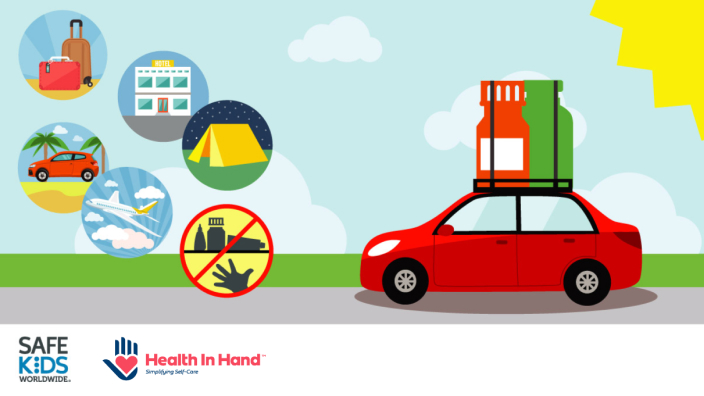
- Keep a close eye on your bags and pill organizers while traveling. When you are away from home or visiting relatives, medicines are often stored in reachable places like purses or backpacks.
- Talk with other caregivers (i.e., nannies, grandparents, babysitters) and share a copy of this action plan and the Poison Center's contact information.
- Treat gummy medicines/vitamins like medicine, not candy.
- Save Poison Control as a 'Contact' in your phone.
What is fluoride?

Fluoride is a natural mineral found in water, soil, and some foods. It strengthens your enamel, repairs early signs of damage, and makes teeth more resistant to acids from bacteria and sugar.
Is fluoride toothpaste still the most effective option, or are fluoride-free formulas just as good?
Fluoride is still the gold standard for cavity protection. Fluoride-free options can clean your teeth, but they don’t offer the same enamel-strengthening power.
Is fluoride safe for daily use?
Yes. When used as directed, fluoride is safe and effective. It’s been trusted and recommended by major health organizations for over 70 years.
How does fluoride actually protect teeth?
It strengthens enamel, repairs early signs of decay through remineralization, and makes teeth more resistant to acids from bacteria and sugary foods.
Are there any risks to using fluoride long-term?
The main risk—especially for young kids—is swallowing too much, which can lead to mild fluorosis (faint white streaks on teeth). Using the right amount prevents this. For parents, supervise brushing to ensure kids spit out the toothpaste and don't swallow it.
At what age should kids start using fluoride toothpaste?
As soon as the first tooth appears!
* Under 3 years: a tiny rice-sized smear
* Ages 3–6+: a pea-sized amount
Supervise brushing so they don’t swallow it.
* Under 3 years: a tiny rice-sized smear
* Ages 3–6+: a pea-sized amount
Supervise brushing so they don’t swallow it.
Is fluoride still safe and recommended for kids with all the claims online?
Yes. A lot of online claims can be confusing, but decades of research show fluoride is safe and strongly recommended for cavity prevention when used properly.
How much fluoride should my child get from toothpaste?
Use age-appropriate amounts and brush twice a day. If your water isn’t fluoridated, ask your dentist about additional options.
How do I know which kids’ toothpaste claims are real and not just marketing?
Check for the ADA Seal of Acceptance and choose brands your dentist recommends.
Do fluoride-free or “natural” toothpastes protect kids from cavities?
They can help clean teeth, but they don’t provide the same cavity protection as fluoride toothpastes.
Are fluoride-free toothpastes just as effective for adults?
Not for cavity prevention. Fluoride-free toothpastes can help with cleaning and freshening breath, but they do not protect against cavities the way fluoride does. For adults, or anyone who is prone to cavities, fluoride toothpaste remains the most effective option for preventing tooth decay.
Do fluoride alternatives like nano-hydroxyapatite (nHAp) make a difference?
Yes—nHAp can help with sensitivity and early enamel repair. But it hasn’t matched fluoride’s cavity-prevention strength in studies.
How do I compare fluoride vs. fluoride-free options if I have sensitivity or enamel wear?
Fluoride is best for strengthening enamel and cavity prevention. nHAp may help with sensitivity and enamel repair. Some people benefit from using both in a balanced routine. Talk to your dentist about what's right for your specific needs.
Are whitening toothpastes safe to use with fluoride or fluoride-free products?
Most are safe but can be abrasive. Choose gentle formulas and avoid using them every single day—especially for kids.
What should I look for when choosing an OTC toothpaste?
Pick products with proven active ingredients (like fluoride), check for the ADA Seal of Acceptance, and avoid unnecessary additives or sweeteners.
Does fluoride affect hormones or the brain?
No credible scientific evidence shows fluoride at levels used in toothpaste or properly fluoridated water (0.7 mg/L) disrupts hormones or causes neurodevelopmental harm.
What should I do if my community stops adding fluoride to the water?
Use fluoridated toothpaste, consider fluoride rinses (for ages 6+), and talk to a dentist about fluoride supplements for kids (if needed).
Do fluoride supplements have side effects?
They’re safe when used under dental guidance and typically recommended for children in areas without fluoridated water or at high risk for cavities.
What’s the best way to make sure I’m getting enough fluoride?
Brush twice daily with fluoride toothpaste, drink fluoridated tap water if available, and ask your dentist for personalized advice if you’re cavity-prone.
Are heavy metals in supplements dangerous?
Why do plant-based protein powders tend to have more heavy metals than whey protein?
Plant-based proteins come from crops like peas and rice that absorb trace metals from soil as they grow. When concentrated into powder, those traces concentrate too. Whey comes from milk, which goes through a different biological process and shows lower heavy metal levels. This reflects a difference in source material, not a safety problem.
Is there a safe level of lead in supplements?
No known safe level of lead has been identified, so the goal is to keep exposure as low as possible. Since lead builds up in the body over time, extra care is appropriate for children and people who are pregnant. Safety limits for these groups are set very conservatively. Manufacturers are required to test their products for heavy metals, and some go a step further with independent third-party testing. Consumers can contact manufacturers directly to ask about their testing practices.
Is it safe to eat fish if it contains mercury?
Yes. Since seafood is the main source of mercury exposure, health experts, including the FDA and the Environmental Protection Agency (EPA), provide guidance to help everyone make safe and healthy choices. This advice is especially useful for people who are pregnant, breastfeeding, or feeding young children, to help them pick fish that are both nutritious and lower in mercury—such as salmon, tilapia, shrimp, and canned light tuna.
Does the FDA regulate heavy metals in supplements?
Yes, the FDA has authority over dietary supplements and can take action when a product is unsafe. For example, the FDA uses Interim Reference Levels (IRLs) for lead as benchmarks to evaluate potential health risks in food and dietary supplements.
What does a Prop 65 warning on a supplement label actually mean?
It means the product contains a listed substance above California's disclosure threshold. It is a legal notification requirement, not a safety verdict. Prop 65 thresholds are set conservatively, often 1,000 times below any level linked to observed harm. It does not mean the product violates federal safety standards.
Are organic supplements lower in heavy metals?
Not necessarily. Organic certification covers things like pesticides and fertilizers, but it doesn't control what's naturally in the soil or how a product is made. An organic plant grown in soil with arsenic or cadmium will still absorb those metals. Organic is a good farming standard, but it is not a reliable sign of lower heavy metal levels.
How do I know if my supplement has been tested for heavy metals?
By law, supplement manufacturers are required to test or verify that their products meet quality and safety specifications, including limits on contaminants such as heavy metals when appropriate. The FDA reviews these records during inspections. Some companies go a step further and use independent third-party re-testing for added assurance. You can always contact the manufacturer directly to ask about their testing and quality practices.
Should children or pregnant people avoid supplements because of heavy metals?
Not automatically, but extra care is reasonable. Safety guidelines for these groups are set very carefully because their bodies can be more sensitive to certain exposures. For lead in particular, where no amount has been shown to be safe, the goal is always to keep exposure as low as possible. Children and pregnant individuals should take only supplements recommended by a healthcare provider.
What should I look for when buying a supplement I can trust?
Start with established brands sold through reputable retailers, not unverified online sellers. Be skeptical of claims like "pure" or "heavy metal free" unless there is independent testing to back them up. When in doubt, don't hesitate to contact the manufacturer directly to ask for their heavy metals test results.
No items found.
Dig Deeper. Learn More.
Here are some other articles you might find helpful.